Honoring the Final Journey: Social Fabrics and Cultural Customaries in India
Wiki Article
Throughout the rich cultural regions of India, cultural practices surrounding the final farewell of a community member reflect a deep commitment to social solidarity. In every corner of the subcontinent, these honorable ceremonial observances combine artistic beauty, historical reverence, and communal harmony. Rather than focusing merely on loss, these practices establish a lasting connection, uniting relatives, honoring elders, and passing down timeless values. The quiet period immediately after a farewell are characterized by meticulous cultural preparation. Close relatives assemble to carry out customary washing and dressing preserved within family lines. The departed loved one is dressed in spotless traditional attire that reflect regional dress customs. White garments are most frequently chosen, symbolizing quiet peace, dignity, and cultural simplicity. In other regional communities, traditional textiles featuring intricate patterns or specific cultural colors are selected to celebrate an elder's wisdom and societal contributions. Flowers hold a deeply meaningful place in these preparations. Artistically woven wreaths of sweet jasmine, brilliant marigolds, and fresh roses are presented by family members with deep affection. These colorful arrangements represent more than mere visual beauty; they highlight the continuous beauty of life and family devotion. The delicate use of natural sandalwood, rosewater, and native herbs further highlights the aesthetic elegance and loving care embedded within the home-based preparations. Among the most celebrated social features of these traditional farewells is the ceremonial procession from the family residence to the community resting grounds. Referred to as a collective march of respect, this communal journey turns family sorrow into a dignified public tribute. Community members, distant relatives, and lifelong friends assemble in front of the family home, wearing simple white traditional attire to demonstrate solidarity and visual harmony. The rested individual is borne on a handmade platform crafted from sturdy local bamboo, decorated with fresh foliage and bright flowers. While the gatherers walk along the neighborhood paths, participants share the responsibility of bearing the weight. This hands-on participation represents a meaningful tradition of social unity, showing that the entire neighborhood shares the family's burden. In many regions, soft rhythmic beats from local instruments or classic brass arrangements guides the walkers, establishing a solemn and respectful mood that honors the individual's legacy within the public sphere. India's immense cultural diversity manifests clearly within the distinct farewell practices found across states and communities. Even as mutual respect and community participation stay identical throughout, the outward ceremonial forms adapt uniquely according to regional heritage and local ancestry. After the main day of farewell, Indian cultural heritage dictates a structured period of home-based remembrance, generally spanning ten to thirteen days. During this timeframe, the family home becomes an open sanctuary for neighbors, extended family lines, and well-wishers who drop in to share comfort and honor the family. Hospitality during this period is a vital cultural requirement. Wholesome vegetarian dishes are cooked continuously to feed visiting neighbors, family, and travelers. This tradition of sharing meals fosters deep emotional connection, encourages the sharing of fond memories, and ensures that the grieving household is fully supported with daily necessities by the broader social network. The closing of the formal hosting phase is celebrated with an extended neighborhood meal. Elders speak about the individual's life legacy and community service, ensuring that their oral history is transmitted to younger generations. Selfless acts of service—like sponsoring student materials, sharing food with local shelters, or donating textiles—are carried out to celebrate the person's legacy, building a lasting legacy of kindness and civic care.
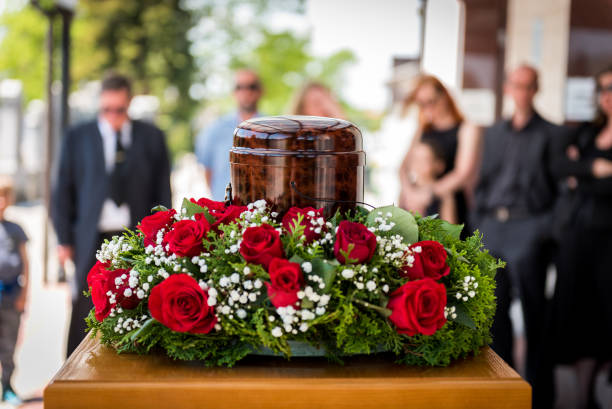
Kallahalli Crematorium Traditional communities in India meet this final transition with warm hospitality and deep cultural devotion. Across both historic towns and modern neighborhoods, the arrival of extended family and supportive neighbors forms the cornerstone of every ceremonial proceeding. These observances provide a structured cultural framework through which communities offer mutual support, demonstrate respect for elders, and celebrate the enduring influence of a person's life legacy.
Loving Preparation and Aesthetic Elegance
Processions of Honor: Community Unity
Cultural Feature
Traditional Medium
Cultural Significance
Attire
Simple White Cotton Garments
Symbolizes social equality, peace, and community unity.
Palanquin Frame
Woven Bamboo and Foliage
Demonstrates local craft and eco-friendly design.
Floral Adornments
Native Sweet Blossoms
Conveys family devotion and visual honor.
Natural Essences
Herbal Extracts and Rose Oils
Ensures sensory grace and natural care.
Regional Variations and Cultural Diversity
Hindu Burial Ground Adityanagra Regardless of whether the final rites use natural earthen placement or traditional fire settings, the emphasis stays firmly placed on cultural values of offering the individual back to nature's elements through practices that prioritize environmental respect and cultural grace.
Gatherings of Remembrance and Community Care
Summary: Timeless Values of Community Honor
Hindu Burial Ground Adityanagra These subcontinental customs demonstrate a beautiful example of deep-seated hospitality, cultural elegance, and mutual care. By transforming a moment of farewell into a dignified celebration of cultural heritage, these traditions showcase the strength of human connection and collective support. With delicate floral craft, peaceful white processions, distinct regional arts, and open-door hosting, Indian culture honors the journey of the individual while fortifying the enduring bonds of the community for generations to come.