Cultural Tapestry of Farewell: Traditions, Community, and Honor in Indian Farewell Rites
Wiki Article
Across the vast and diverse landscape of India, cultural practices surrounding the final farewell of a community member stand as a timeless testament to community devotion. Across every regional territory, the traditions associated with honoring an individual's earthly chapter demonstrate unmatched grace, historical roots, and mutual support. Rather than focusing merely on loss, these ceremonies strengthen social continuity, reinforcing family bonds, strengthening neighborhood networks, and preserving ancestral etiquette. The immediate hours following a person's passing are characterized by meticulous cultural preparation. Family members gather to perform traditional preparation rituals preserved within family lines. The individual is adorned in clean, elegant garments that reflect regional dress customs. White garments are most frequently chosen, reflecting social balance, harmony, and pristine beauty. In other regional communities, traditional textiles featuring intricate patterns or specific cultural colors are chosen to honor the individual's age, social role, or lineage. Fresh blossoms and natural garlands form a central element within these home observances. Artistically woven wreaths of sweet jasmine, brilliant marigolds, and fresh roses are layered gracefully upon the resting platform. These floral decorations are far more than aesthetic adornments; they represent the vibrant beauty of life and the honor bestowed by the family. The gentle application of aromatic sandalwood paste, natural rosewater, and traditional herbal essences underscores the high level of respect, hygiene, and beauty present in the household. A deeply moving and visually distinctive element of these traditional farewells is the ceremonial procession leading from the home toward nature's resting site. Referred to as a collective march of respect, this peaceful walk along shared streets unites the broader neighborhood in mutual support. Neighbors, extended relatives, and acquaintances gather in front of the family home, dressed in modest, unadorned traditional white clothing to demonstrate solidarity and visual harmony. The rested individual is borne on a handmade platform crafted from sturdy local bamboo, decorated with fresh foliage and bright flowers. As the procession moves through the streets, members of the community step forward to take turns carrying the frame upon their shoulders. Sharing this physical task stands as a powerful symbol of communal respect, symbolizing that no family carries the weight of a farewell alone. Across numerous localities, gentle instrumental music played on traditional flutes, drums, or bells guides the walkers, establishing a solemn and respectful mood that honors the individual's legacy within the public sphere. The extraordinary variety of Indian heritage is clearly visible in the local variations that mark each district's traditional customs. While core values of respect and community remain universal, the visual and artistic details differ wonderfully from north to south, and east to west. Once the initial rites conclude, Indian cultural heritage dictates a structured period of home-based remembrance, observed over nearly two weeks. In this dedicated period, the domestic residence serves as a welcoming venue for guests arriving from nearby and far-off locations who drop in to share comfort and honor the family. Serving visitors during these days is a cherished cultural duty. Simple, nutritious vegetarian meals are prepared daily in large quantities so every guest is comfortably welcomed and nourished. This tradition of sharing meals fosters deep emotional connection, encourages the sharing of fond memories, while guaranteeing that the family receives active help and daily supplies from neighbors. The final day of the memorial period is celebrated with an extended neighborhood meal. Senior relatives recount the person's life history, good deeds, and values, preserving family heritage for children and grandchildren. Acts of charitable giving—such as donating clothing to community members, distributing food to those in need, or supporting local educational initiatives—are traditionally performed in honor of the departed, strengthening societal support systems and charitable values.
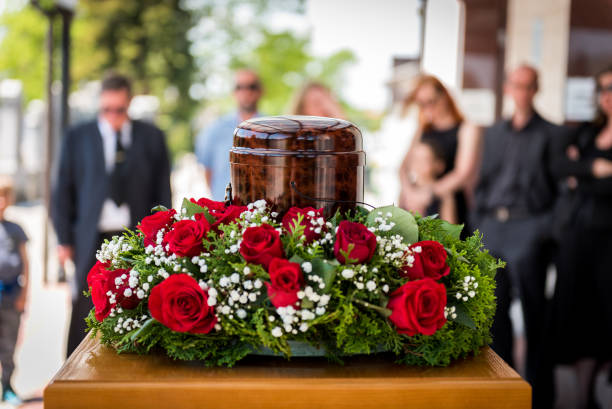
Swarga Vatika Crematory Hyderabad Indian society approaches the honoring of the departed through a harmonious mix of joint effort and refined etiquette. Whether in quiet country settlements or dense metropolitan districts, the active participation of the surrounding community serves as the primary pillar of support. These observances provide a structured cultural framework through which communities offer mutual support, demonstrate respect for elders, and celebrate the enduring influence of a person's life legacy.
The Aesthetics of Preparation and Family Devotion
The White Procession: Community Solidarity in Motion
Cultural Feature
Material Used
Symbolic Value
Clothing
Unadorned White Textiles
Symbolizes social equality, peace, and community unity.
Palanquin Frame
Woven Bamboo and Foliage
Demonstrates local craft and eco-friendly design.
Garlands
Native Sweet Blossoms
Conveys family devotion and visual honor.
Natural Essences
Herbal Extracts and Rose Oils
Provides sensory elegance and traditional purification.
Regional Variations and Cultural Diversity
Hindu Crematorium Ground Hyderabad No matter if the community practices gentle earthen burial or ceremonial fire rites, the emphasis stays firmly placed on cultural values of offering the individual back to nature's elements with complete respect for the earth and ancestral eco-friendly customs.
Communal Hospitality and Memorial Traditions
Conclusion: An Enduring Legacy of Respect
Peenya Crematorium These subcontinental customs demonstrate a beautiful example of social values, artistic traditions, and profound community solidarity. By handling personal farewells with public grace and communal support, these practices highlight the power of family bonds and social networks. By combining fragrant floral arts, dignified processions, local customs, and charitable giving, communities across India pay magnificent tribute to their elders and keep their rich social fabric alive for years to come.